Safety engineered into every journey
  1. Home
  2. Applications

Applications

The same part of the car, a different requirement every time

A seat belt in a family hatchback, a delivery cab and a utility vehicle does the same job — but the assembly, the mounting and the questions worth asking are rarely the same. This page walks through the applications we are asked about most.

Jump to a section

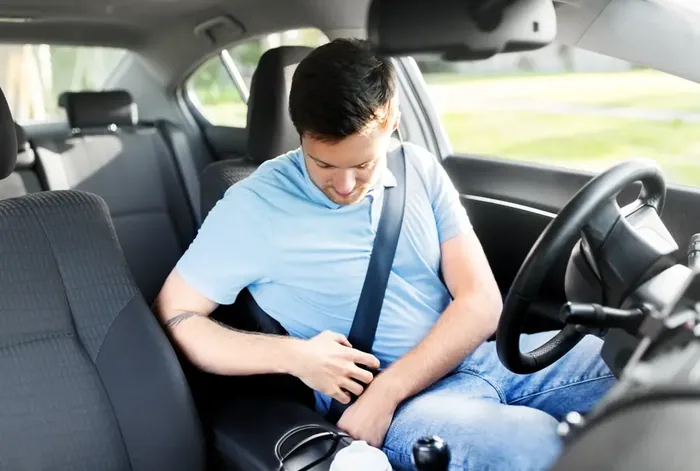
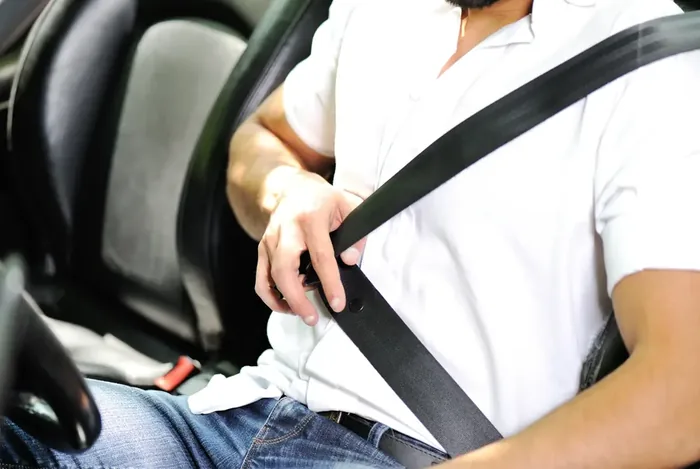
Driver in the front seat of a passenger car drawing the seat belt across the body.
01

Passenger Vehicles

Cars, hatchbacks, sedans, SUVs and crossovers. Most seating positions here use a three-point belt with a retractor, and most enquiries concern a belt that has stopped retracting, webbing that has worn, or a buckle that no longer holds.

Typical considerations

  • Front and rear positions often take different assemblies within the same vehicle
  • Rear centre positions may use a lap belt where the outboard seats use three-point belts
  • Height-adjustable upper anchors change how the shoulder strap is mounted
  • Model-year differences are common even within one model name
See three-point seat belts
Driver at the wheel drawing the shoulder belt across the chest in a vehicle cab.
02

Commercial Vehicles

Light and heavy commercial cabs, vans and goods vehicles. Cab seating is built differently from passenger-car seating — suspended seats, bench arrangements and seat-mounted anchorages are all common, and each changes what the belt has to work with.

Typical considerations

  • Belt anchorage may be carried on the seat frame rather than the vehicle body
  • Suspended driver seats move relative to the cab, which affects belt routing
  • Bench and twin-passenger seats can combine lap and three-point positions
  • Higher daily use means webbing and buckles see more cycles
See automotive seat belts
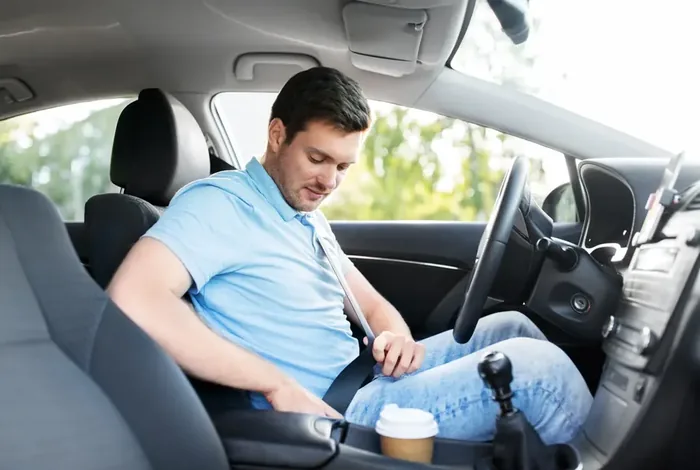
Occupant fastening a seat belt in a vehicle before a journey.
03

Fleet & Multi-Vehicle Operations

Operators running several vehicles tend to have a different problem: not identifying one belt, but handling the same requirement repeatedly across a mixed group of vehicles, often on a maintenance schedule rather than after a failure.

Typical considerations

  • A vehicle list with makes, models and years makes a bulk enquiry far quicker to answer
  • Mixed fleets rarely take one common assembly across every vehicle
  • Quantities per vehicle and per seating position are worth stating up front
  • Repeat requirements are easier to service once the first match is established
Send a bulk enquiry
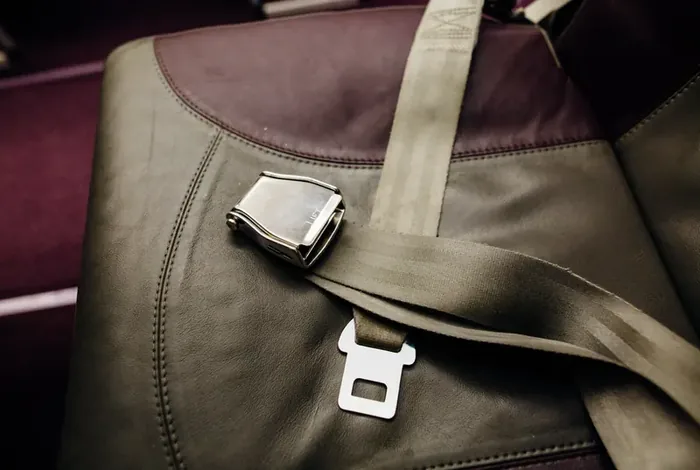
Lap belt with a metal lift-latch buckle fitted across a heavy-duty vehicle seat.
04

Industrial & Utility Vehicles

Utility vehicles, buses, coaches and industrial seating often use simpler two-point lap belts anchored directly to the seat structure. Buckle styles vary more here than anywhere else, and belts are frequently specified by length and end fitting rather than by vehicle model.

Typical considerations

  • Lift-latch and push-button buckles are both in common use and are not interchangeable
  • End fittings — eyebolt, plate or bracket — determine what will mount
  • Belt length is often the defining specification rather than the vehicle name
  • Seat structures differ widely, so photographs of the mounting matter
See lap seat belts
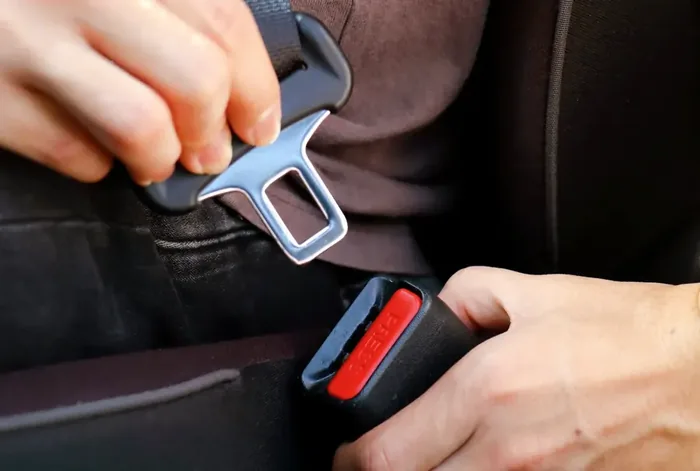
Hands guiding a seat belt latch plate into the buckle receiver.
05

Replacement Requirements

The most common reason people get in touch, and the one where the existing assembly does most of the work for us. Whatever the vehicle, a replacement enquiry is answered fastest when the part being replaced can be seen and described.

Typical considerations

  • Identify which part has failed before deciding to replace the whole assembly
  • Photograph the assembly in place, including its mounting points, before removing anything
  • Note any markings or codes moulded or stamped into the parts
  • Replacement of restraint components should be confirmed by a qualified technician
Read the buying guide

Across every application

Four things that decide the answer, whatever the vehicle

01

The seating position

Front or rear, outboard or centre, driver or passenger side. Assemblies differ between positions within the same vehicle.

02

Where the belt anchors

To the seat frame, the floor, the pillar, or a combination. This single detail rules out more options than any other.

03

Whether it retracts

A retractor changes the assembly, the mounting and the space it needs behind the trim.

04

What has actually failed

Naming the part — webbing, latch plate, buckle or retractor — keeps the replacement proportionate to the problem.

Confirming suitability

The applications described on this page are typical examples, not a compatibility list. Whether a particular product suits a particular vehicle and seating position should be confirmed against that vehicle before anything is fitted, and — because seat belts form part of the occupant restraint system — checked by a qualified technician where relevant.

Enquiries

Which of these describes your situation?

Tell us the application and the vehicle, and we will point you to the category that fits — or tell you what still needs checking.