No invented specifications
If an exact dimension, part number or technical figure has not been confirmed, we will not present one as fact.
About Seat Belt Dealer
Seat Belt Dealer works with seat belt products and the components that make up a restraint assembly. The work starts with the requirement — the vehicle, the seating position and what the belt has to do — and moves from there to the category of product that suits it.

§ 01 — What we work with
Our attention sits on one area rather than a broad, unrelated catalogue. That means the questions we ask are the ones that actually narrow a seat belt requirement down.
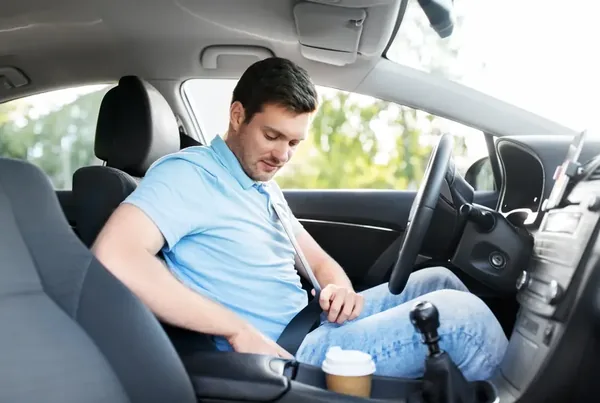
Three-point belts, lap belts, retractable assemblies, buckles and receivers, latch plates and the related fittings that complete an assembly. Each of these is a different conversation, and each has its own set of details that need to be right.
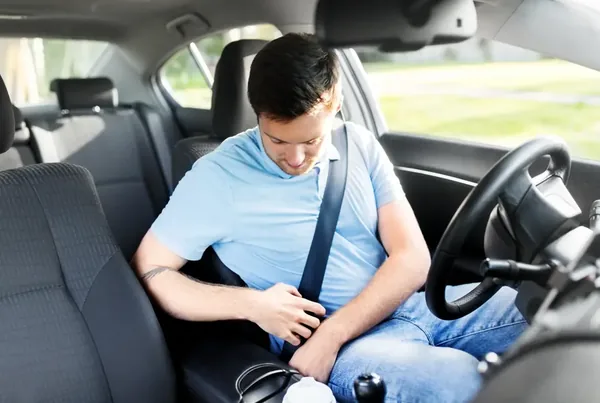
A family car, a commercial cab and a utility vehicle can all need a seat belt, and the answer is rarely the same product. Seat construction, mounting points, the way the seat moves and the position being served all change what is appropriate.
§ 02 — How a requirement is handled
Most enquiries arrive as a short description of a problem. The job is to turn that into something specific enough to act on.
§ 03 — Where we are straight with you
Seat belts are safety-related, so it matters that the information around them is accurate. These are the lines we hold to.
If an exact dimension, part number or technical figure has not been confirmed, we will not present one as fact.
"Fits all vehicles" is not a claim we make. Fitment depends on the vehicle and the seating position.
We do not publish do-it-yourself fitting instructions for restraint systems. That work belongs with a qualified technician.
Where something needs checking against the actual vehicle, we say so rather than filling the gap with an assumption.
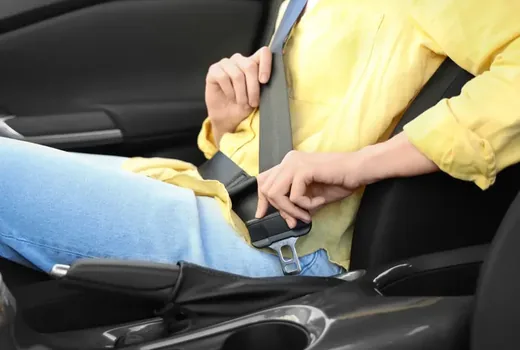
Checking the existing assembly is the quickest way to narrow a replacement requirement
§ 04 — Suitability and fitment
A description over email or on the phone gets a requirement most of the way there. The last step — confirming that a given product genuinely suits a given vehicle and seating position — belongs with the vehicle in front of you.
That is why we encourage photographs, measurements where they can be taken safely, and a check by a qualified technician before anything is fitted. It is also why we ask about the model year and body type, not just the model name.
Seat belts form part of a vehicle's occupant restraint system. Any decision about replacing or fitting one should be made with the specific vehicle in mind and, where relevant, confirmed by a qualified technician.
Talk to us
Send the vehicle details and what you are trying to solve. If it is easier to explain in a call, the line is answered directly.